




Copyright © 2026 Nexus Emergency Vet. Website by Specialist Vet Marketing
We provide extensive veterinary services to keep pets healthy and comfortable and offer unwavering support when difficult decisions and urgent care are needed.

311 Unley Rd
Malvern, Adelaide SA 5061

VSBSA Hospital Accreditation Pending
It’s easy to love the warmer months… longer days, holidays, beach trips and more time spent outdoors. But being in nature also comes with risks, and unfortunately, pets frequently find them first. Snake and spider encounters are part of life here in Adelaide, particularly over summer, so it’s important for owners to understand the risk of bites, how to reduce the chance of running into trouble and what to do while staying calm in an emergency.
At Nexus Emergency Vet, we provide fast, transparent and caring urgent and emergency care for small animals. If your pet has been bitten by a snake or spider, or you strongly suspect this, please bring them in straight away. If you’re reading to better understand what to watch for and feel prepared should this ever affect your family, the information below will help.
Adelaide is known for its world-class wine regions, open landscapes, iconic beaches and laid-back lifestyle. It’s also home to several venomous snakes that regularly cross paths with pets.
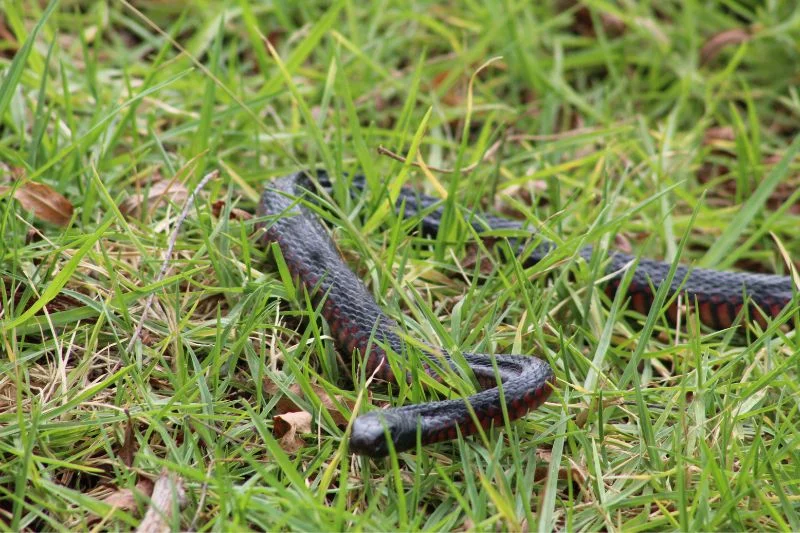
The snakes most commonly involved in pet bites locally and in the surrounding areas include:
Snake venom doesn’t just cause a visible wound. Once it enters the body, it can interfere with blood clotting, damage red blood cells and affect the nervous system. Some also place significant strain on organs like the heart and lungs.
The scary part is that these effects can begin long before a pet looks critically unwell, which is why any run-in with a snake should be treated as an emergency. Early treatment can slow or stop the progression of venom and improve the chances of survival.
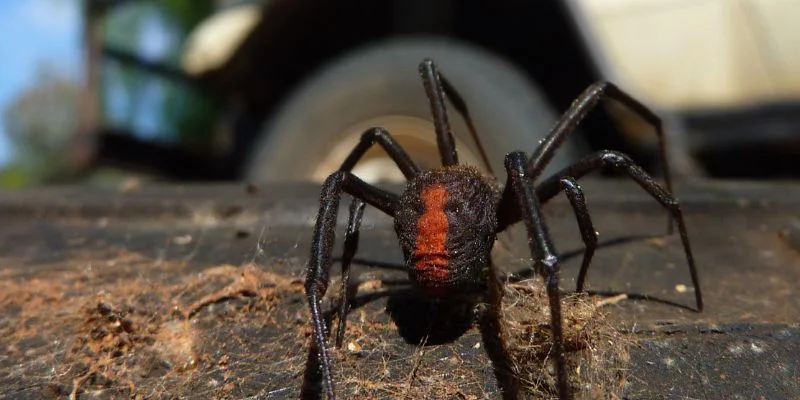
You’ll find spiders in abundance across our great state, and the good news is that most of them are shy and harmless! However, a small number can bite pets and cause significant symptoms, particular for small animals or those with sensitivities. Some of the spiders in Adelaide to keep away from include:
It’s easy to miss a spider bite in a pet, as it’s hard to see when it happens. However, you can be aware of the signs and symptoms such as sudden pain, unsettled or overly quiet behaviour, with swelling or sensitivity in a specific spot. Some pets also become lethargic, vomit, or show other behavioural changes like hiding, restlessness or reluctance to move. While most bites are thankfully mild, it’s always best to seek professional advice early, as symptoms can worsen dramatically.
Following a snake or spider bite, try and keep your pet as still and quiet as possible to minimise symptoms and slow the process while you seek emergency veterinary care. Venom spreads faster through the bloodstream and lymphatic system when pets are agitated, walking or being carried around unnecessarily.
There are a few other things not to do, including home treatments like cutting the wound, trying to suck out venom, or using ice, heat, pressure bandages or tourniquets. These aren’t recommended and can actually cause more harm, as can giving human medications.
Waiting to see if symptoms improve is also not advised. Many effects of venom are internal, which means they aren’t immediately visible. A pet may appear stable while still being at serious risk. If you see a snake or spider bite occur, or your pet shows sudden signs such as collapse, weakness, vomiting, breathing changes or severe pain, head straight to an emergency clinic. If you’re unsure but concerned about what you’re seeing, it’s better to seek professional advice early or come in for assessment.
| Snake prevention | Spider prevention |
| Keep lawns trimmed and remove long grass and thick ground cover | Shake out bedding, blankets and toys stored outdoors or in sheds |
| Clear away timber piles, rocks, corrugated iron and garden clutter | Check kennels, dog beds and outdoor bedding regularly |
| Reduce rodent activity, as snake are drawn to prey | Store items in sealed containers rather than open boxes |
| Limit access to bush edges, creek lines and dense vegetation | Keep sheds, garages and storage areas tidy and uncluttered |
| Use a lead when walking dogs in areas where snakes may be present | Be cautious around sheltered areas, like under furniture or storage |
It can happen in the blink of an eye, but outcomes are strongly determined by how early intervention begins. While cats can absolutely suffer a snake or spider bite, dogs are at a higher risk due to their curious and territorial nature. It’s normal to have some anxiety around this as a pet owner.
At Nexus, we frequently see pets with bites, and we’re here to help. Antivenom is often the only treatment and must be given as soon as possible for the best chance of recovery.
If your pet is showing clear signs of an emergency, come straight in to see our experienced veterinary team. For guidance on less urgent concerns or to check if a visit is needed, contact our 24/7 nurse chat.
In Adelaide, the most common snake bites are from Eastern Brown Snakes, Tiger Snakes and Red-bellied Black Snakes. These snakes are highly venomous and can cause life-threatening effects in dogs and cats. Even if you didn’t see the snake, we treat any suspected bite as an emergency because venom can act quickly, and symptoms are not always obvious at first.
While many spider bites are mild, pets can be affected by redback spiders, white-tail spiders and black house spiders. Some spider bites cause only local pain and swelling, but others can lead to more serious signs like lethargy, vomiting or behaviour changes. If you suspect a spider bite, we recommend veterinary assessment so we can determine whether treatment is needed.
If you think your pet has been bitten, bring them to Nexus Emergency Vet immediately. Keep your pet as calm and still as possible and avoid unnecessary movement, as this can help slow the spread of venom. Do not attempt home treatments — rapid veterinary care gives your pet the best chance of recovery.
We strongly advise against common home remedies. Do not cut the wound, try to suck out venom, apply ice or heat, use a tourniquet, or give human medications. These actions can worsen the situation. The safest and most effective step is prompt emergency veterinary care.
Many venom effects are internal and delayed, meaning your pet may appear stable while serious complications are developing. Early assessment allows us to monitor vital signs, run appropriate tests, and administer treatments such as antivenom or supportive care if needed. Acting early can be life-saving.
We provide extensive veterinary services to keep pets healthy and comfortable and offer unwavering support when difficult decisions and urgent care are needed.