




Copyright © 2026 Nexus Emergency Vet. Website by Specialist Vet Marketing
We provide extensive veterinary services to keep pets healthy and comfortable and offer unwavering support when difficult decisions and urgent care are needed.

311 Unley Rd
Malvern, Adelaide SA 5061

VSBSA Hospital Accreditation Pending
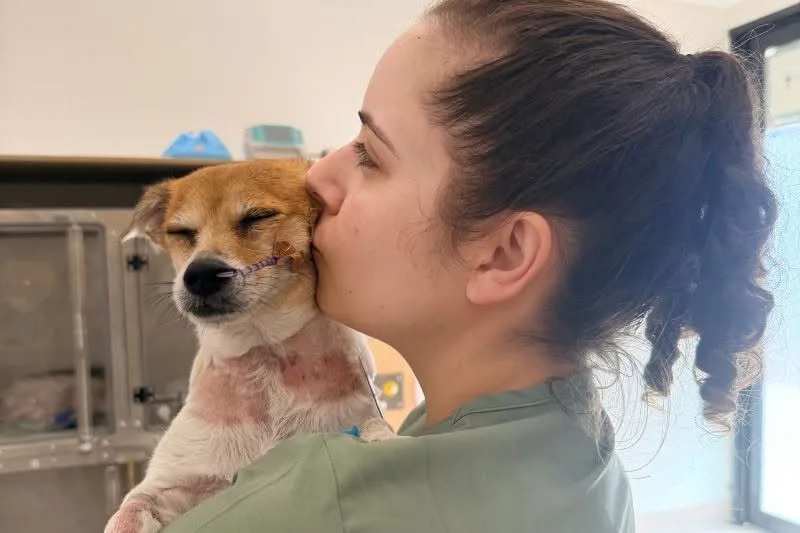
Behind every patient fighting to recover is a team working just as hard for them, and not all of them bear the title of Doctor. Most pet parents become very familiar with a vet nurse or two during their time in an emergency hospital, but it’s a stressful, emotional experience, and they probably don’t see everything those nurses do behind the scenes. Although in our case, they do! This career requires a unique combination of technical expertise, composure under pressure, quick decision-making and emotional resilience.
At Nexus Emergency Vet Hospital, our 24/7 facility is the first of its kind in Adelaide, and we wouldn’t be able to offer the high standard of service that we do without our nursing team. Their role is far more than simply assisting our amazing vets. It’s central to patient care and outcomes.
Veterinary nursing in general practice and emergency settings varies more than people realise. Both require a high level of skill and knowledge, but emergency nurses often move between departments and responsibilities within a single shift. Our team works across critical care, emergency medicine, anaesthesia, pathology, surgery and diagnostic imaging. They understand disease processes, recognise deterioration quickly and support patients with a wide range of illnesses and injuries. Continuous education is also important because emergency medicine is constantly evolving, and no two cases are ever exactly the same.
“We have to know all areas of veterinary medicine, including CPR, treating exotics and wildlife, intubating, managing complicated anaesthetics, patients on a ventilator, running lab work, placing IVs and calculating drug doses on the fly. The list is endless.” – Nurse Kelsey
From patient assessment and triage to treatment and monitoring, emergency nurses carry a significant workload from the moment a pet arrives. It’s highly technical work that typically needs to be performed quickly and accurately.
And they have to be prepared for a wide range of species to walk through the doors, each with different anatomy, behaviour and medical requirements. While dogs and cats make up a significant number of emergency presentations, we also care for birds, reptiles, rabbits, guinea pigs, native wildlife, and other exotic pets. Species-specific handling is incredibly important because stress alone can affect outcomes in many animals.
“Most people would be surprised to learn that we use so many things that human medicine uses… and I’d say the qualities I rely on most on a busy shift is the ability to multitask and determination.” – Nurse Collette
Unlike many healthcare environments, emergency departments don’t follow any form of predictable scheduling. A shift can start out quiet, then multiple critical patients arrive at once. Each presents with a different level of urgency, which means priorities must be constantly reassessed as conditions change.
It can be tough determining which tasks need immediate attention and which can safely wait, but that’s part of the training and skillset required in this profession. Emergency nurses balance the needs of multiple patients while responding to new information and helping ensure the sickest patients see a vet first. Strong communication is also essential, particularly when several team members are involved in a patient’s care.
Emergencies are understandably stressful for pets and their owners, but the veterinary team feels this too. We want what’s best for everyone involved, which is why composure is crucial. Nurses are constantly processing information and supporting treatment decisions without becoming distracted by everything happening around them. A calm approach helps reduce the risk of errors and allows the team to deliver consistent, quality care in intense situations.
“I need to be approachable for my colleagues and clients so they feel that I will always provide a safe space for whatever they may be feeling.” – Nurse Kelsey
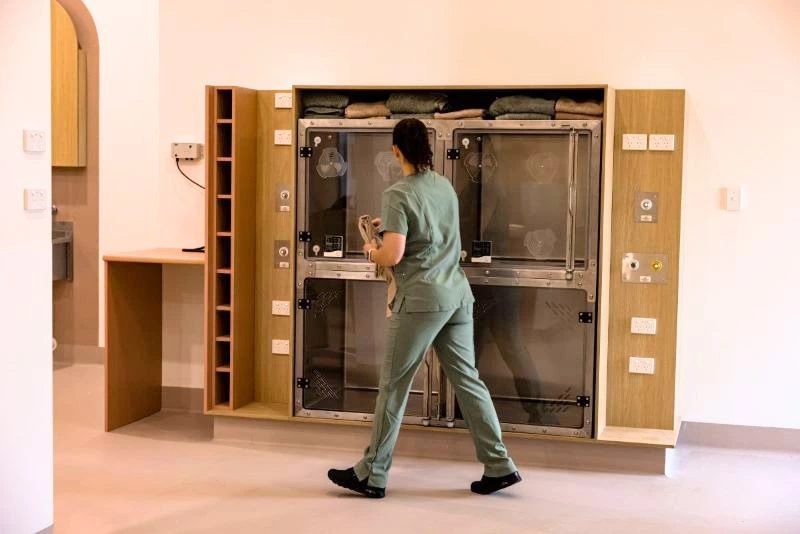
Veterinary nurses spend more time with admitted patients than anyone else in the clinic. They are often the first to notice when an animal is feeling anxious, uncomfortable or distressed, and the first to make adjustments that improve their welfare. Because animals cannot speak for themselves, they need strong advocates.
“The ability to advocate for my patients by helping an animal feel safe, comfortable, pain-free, fed and rested is truly such a gift.” – Nurse Kelsey
Animals often come in for emergency or urgent care in their sickest, weakest or most vulnerable state. For those that respond to treatment, watching them regain their strength, appetite and interest in their surroundings is one of the most rewarding feelings in the world. Recovery is often a process of small milestones, such as eating independently, greeting their owners or showing signs of their normal personality again. This gives our nursing team a strong sense of purpose and reminds them why they do what they do.
“The most rewarding part is seeing pets start to get a bit of life back into them once they begin feeling better.” – Nurse Collette
Some of the most important work veterinary nurses do isn’t for the animals, it’s for their people. Sadly, not every patient has an illness or injury we can heal or repair. And even when there is a happy ending, owners have often experienced a great deal of fear and uncertainty along the way. Many arrive not knowing what to expect. They’re scared, emotional and sometimes faced with decisions they never thought they would have to make. Nurses support pet parents by answering questions and providing reassurance while they wait for results.
The emergency journey must be navigated with empathy, compassion and clear communication. Owners need honest information delivered in a way they can understand. Sometimes the best thing a nurse can do is listen and be present. Building trust matters because people need confidence in the advice they’re given and the decisions they make for their pet.
Emotional resilience is part of the territory. Every day, emergency nurses celebrate recoveries, witness grief and heartbreak, and have some very difficult conversations while continuing to care for other patients. The ability to carry that emotional weight is something every pet family who finds themselves in an emergency situation is deeply grateful for.
Emergency nurses wear many hats. They are the anchors for families and veterinarians on both the good days and the dark ones. Like the rest of us in emergency care, they somehow survive on little sleep, energy drinks and snacks rather than proper meals.
At Nexus, our team is here to help. If your pet is injured, unwell or experiencing an emergency of any kind, we’re open 24/7. If you’d like to discuss their condition before making the decision to bring them in, our nurse chat is also available around the clock and will connect you with an experienced member of our emergency nursing team.
Emergency veterinary nurses work across a broader range of clinical areas and often move between responsibilities throughout a shift. They assist with critical care, emergency medicine, anaesthesia, surgery, pathology and diagnostic imaging while responding to rapidly changing patient needs. The pace and unpredictability of emergency vet care require a high level of adaptability and clinical knowledge.
Emergency facilities can see a wide variety of patients, including dogs, cats, birds, reptiles, rabbits, guinea pigs, exotic pets and native wildlife. Each species has unique medical, behavioural and handling requirements. Understanding these differences helps nurses provide appropriate care while minimising stress, which can affect patient wellbeing.
Veterinary nurses are involved from the moment a patient arrives, helping with assessment, triage, treatment and ongoing monitoring. They help identify deterioration, communicate important updates and support the veterinary team as priorities shift throughout the day. Their work is a central part of emergency vet care and patient management.
Many owners arrive feeling anxious, overwhelmed or uncertain about what is happening with their pet. Veterinary nurses help by answering questions, providing reassurance and communicating information in a clear and compassionate way. They also offer support during difficult conversations and emotionally challenging situations.
Veterinary nurses often spend more time with admitted patients than anyone else involved in their care. This allows them to recognise changes in behaviour, comfort levels or wellbeing that may require attention. Because animals cannot explain how they are feeling, nurses play an important role in ensuring their needs are recognised and addressed.
We provide extensive veterinary services to keep pets healthy and comfortable and offer unwavering support when difficult decisions and urgent care are needed.