




Copyright © 2026 Nexus Emergency Vet Hospital. Website by Specialist Vet Marketing
We provide extensive veterinary services to keep pets healthy and comfortable and offer unwavering support when difficult decisions and urgent care are needed.

311 Unley Rd
Malvern, Adelaide SA 5061


Summer in Adelaide can be intense. The kind of heat where the footpath seems to radiate upwards, the air feels heavy, and even a short walk can catch you off guard.
For pets, hot weather can tip from “a bit uncomfortable” to “not okay” faster than most people expect. They can’t cool themselves the way we can, so it helps to know what to watch for.
Every summer, we see the same three problems turn a normal day into an emergency: overheating, dehydration, and burnt paws from hot surfaces. Here’s how to spot them early, and what to do if you’re not sure your pet is coping.
Heatstroke isn’t simply “my pet looks hot.”
It’s when the heat builds and they can’t reset. Once that tipping point hits, the body starts to struggle internally too – which is why we take it so seriously.
Dogs are most at risk because they often continue exercising, even as they overheat, through exercise, excitement, and play. Cats can overheat, too, and it can be harder to spot early signs. Cats may hide, become very still, or seem “flat” rather than obviously distressed.
One important note for cat owners: panting in cats is not normal. If your cat is panting, breathing very quickly, or looks like they’re working harder to breathe, seek urgent advice.
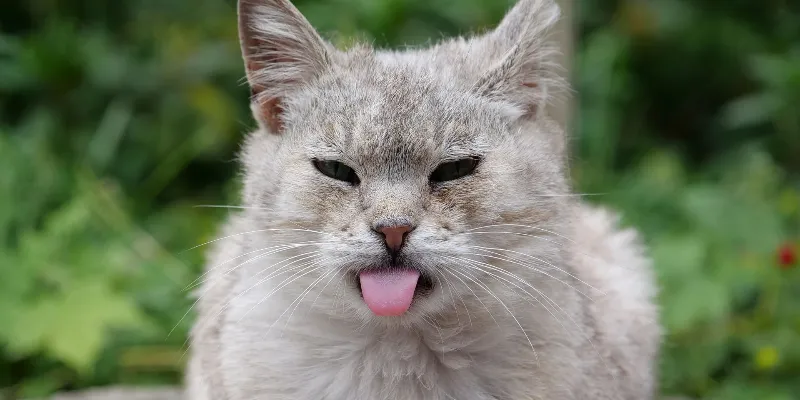
With dogs, early signs often include heavy panting, excessive drooling, restlessness, and difficulty settling. You might notice a change in gum colour (from very red to pale), or your dog becoming unusually tired or reluctant to move.
As heat stress worsens, you may see symptoms such as vomiting, diarrhoea, weakness, wobbliness, collapse, or a pet that seems disoriented.
Bring your pet into air conditioning or a shaded, well-ventilated space straight away. Offer small sips of water if they’re alert enough to drink, and wet a towel to gently dampen the belly, paws and neck. Avoid ice baths or icy water – sudden extreme cooling can cause blood vessels to constrict and make safe temperature reduction harder.
Then seek veterinary care. With heatstroke, it’s not something we recommend “watching at home” once it’s started – internal effects can continue even if your pet seems to perk up for a moment.
Dehydration can build up over a day or two, particularly during hot weather or after exercise. It can also happen quickly alongside vomiting or diarrhoea.
Cats are especially prone because many don’t naturally drink much water. They often take in most of their fluid through food, which is why hot weather can tip them into dehydration more easily than owners expect.
Dehydration affects more than just thirst; it also changes circulation, temperature regulation, and energy levels, which is why dehydrated pets can appear lethargic.
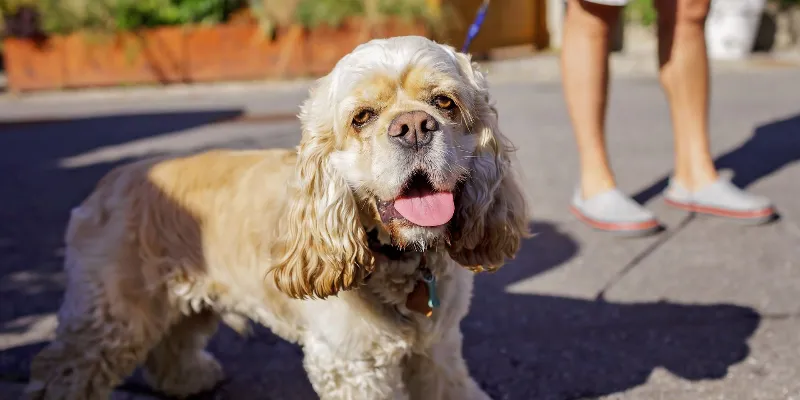
In dogs, dehydration often presents as reduced energy, tacky gums, thick saliva, darker urine, or excessive panting.
In cats, it can be more subtle: reduced appetite, hiding, sleeping more, less litter tray output, or a general “not quite themselves” change.
Multiple water bowls around the home can make a difference. For cats, wide bowls can be helpful (some cats dislike whisker contact). Many cats drink more from a fountain. Wet food can also boost fluid intake without needing to “encourage” drinking.
If your pet isn’t drinking, isn’t eating, is vomiting, is unusually lethargic, or seems weak on a hot day, it’s worth getting advice early. Dehydration can escalate more quickly than it appears.
Concrete, asphalt, pavers and sand can become hot enough to burn paw pads within seconds, and they can hold heat well into the evening.
A simple rule: if you can’t keep the back of your hand on the surface comfortably for several seconds, it’s too hot for paws.
Paw burns don’t always show up immediately. You may notice limping later, frequent licking of the paws, reluctance to walk, sensitivity when you touch the feet, redness, blistering, or cracking.
If you suspect a burn, keep your dog off hot surfaces, cool the paws gently with cool water, and try to prevent licking if possible. Then seek advice, burns can be painful and can become infected.
It’s always reasonable to ask for guidance if you’re unsure. But treat it as urgent if you notice:
When you call Nexus Emergency Vet, we’ll ask a few straightforward questions about what you’re seeing, how quickly it started, and what your pet is doing right now. The aim is to help you understand what’s urgent, and what the safest next step looks like.
On arrival, pets are assessed using triage (similar to a human emergency department). That means the sickest pets are prioritised first, so we can respond quickly when conditions change.
For signs of heat stress, dehydration, or painful paw burns, Nexus Emergency Vet is open 24/7. You’re welcome to come straight in to see our experienced veterinary team. If you’re unsure whether a visit is needed, our 24/7 nurse hotline can talk you through what you’re noticing and help you decide whether a visit is needed.
Heatstroke isn’t just “looking hot”, it’s when your pet’s body can’t cope with the heat and starts struggling internally. In dogs, early signs include heavy panting, excessive drooling, restlessness and reluctance to move. As it worsens, you might see vomiting, diarrhoea, wobbliness, collapse or unusual gum colours. Cats can be harder, panting in a cat is not normal and should prompt urgent assessment.
If you suspect your pet is overheating, bring them straight into a shaded or air-conditioned area, offer small sips of water if they’re alert, and gently cool areas like the belly and paws with a damp towel, but avoid icy baths. Then seek veterinary care promptly. Heatstroke can continue to affect pets internally even if they seem to recover briefly.
Dehydration can be subtle, especially in cats. Signs include reduced energy, tacky or dry gums, thick saliva, darker urine or excessive panting in dogs. Cats might drink less, hide more, eat less or just not be themselves. If your pet isn’t drinking, is weak or seems “off” on a hot day, it’s worth getting them seen.
Yes — surfaces like concrete, asphalt and pavers can become hot enough to burn your pet’s paw pads within seconds. A simple rule is if you can’t comfortably hold your hand on the surface for a few seconds, it’s too hot for paws. Paw burns can show up later as limping, frequent licking, sensitivity or redness. If you suspect this, keep your dog off hot ground and bring them in for advice.
It’s always reasonable to ask for guidance if you’re unsure, our 24/7 nurse hotline can help you decide. But treat it as urgent and come straight in if you notice:
We triage patients like a human emergency department, so the sickest pets are seen first and we can respond quickly when conditions change.
We provide extensive veterinary services to keep pets healthy and comfortable and offer unwavering support when difficult decisions and urgent care are needed.