





Copyright © 2026 Nexus Emergency Vet. Website by Specialist Vet Marketing
We provide extensive veterinary services to keep pets healthy and comfortable and offer unwavering support when difficult decisions and urgent care are needed.

311 Unley Rd
Malvern, Adelaide SA 5061

VSBSA Hospital Accreditation Pending
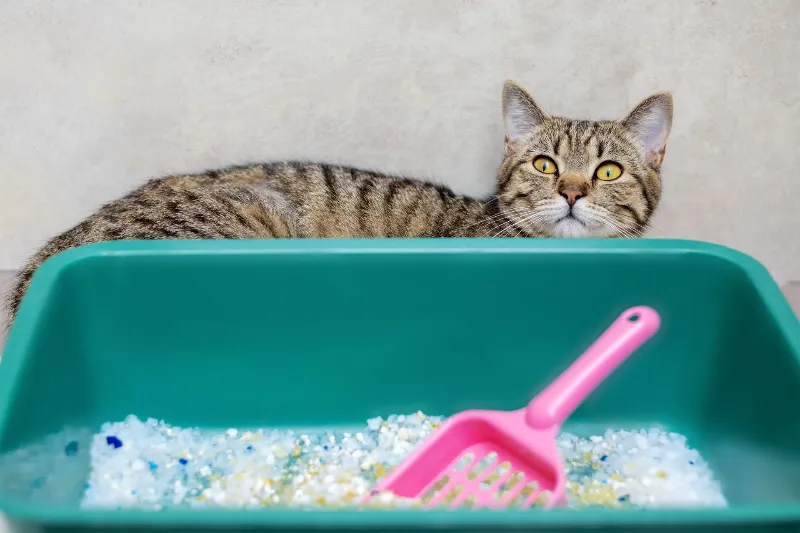
The litter tray is often the first place where changes in a feline’s health become visible. That’s because they’re very good at hiding pain until it is a real issue. If you’re a cat owner, it is important to know what to look out for. When a cat can’t urinate, that is always a life-threatening emergency that requires veterinary help. In most cases, the early signs that precede obstruction are hard to spot and easy to dismiss as minor behavioural changes.
At Nexus Emergency Vet in Adelaide, we provide dedicated 24-hour emergency and urgent care for small animals, supporting pet owners through situations that cannot safely wait. Here is what you need to know about the causes of urinary obstruction and why immediate assessment is critical.
Firstly, what even is a urethral obstruction? It is when the urethra becomes blocked, and urine can’t pass out of the bladder. This may be partial or complete, but in cats, a partial obstruction can quickly become complete. Common underlying causes include feline lower urinary tract disease, where urethral plugs, inflammation, spasm or urinary stones obstruct the passage.
When urine stays trapped in the body, waste products that would normally be excreted begin to build up in the bloodstream. This leads to post-renal azotemia and uremia. Electrolyte and acid-base imbalances develop, particularly high potassium levels, which can interfere with the heart’s normal rhythm. Without urgent treatment, acute kidney injury follows, and in some cases, this can become fatal within two to three days.
Male cats are at far higher risk. This condition occurs almost exclusively in males because their urethra is longer and much narrower, particularly toward the tip. It does not take much swelling or debris to block such a small passage. In many cases, urethral plugs linked to lower urinary tract disease are responsible for the obstruction.
Straining in the litter tray, which looks like constipation
What does this mean? Cats with a developing obstruction often crouch and strain repeatedly in the litter tray, which many owners understandably mistake for constipation. From the outside, the posture can look almost identical. If your cat is spending longer than usual in the tray and little to nothing is being produced, that is a red flag.
An empty litter tray when there should be urine
What does this mean? If you check the tray and realise there are no fresh urine clumps where you would expect them, that is not normal. Even if your cat seems quiet or withdrawn rather than distressed, the absence of urine over several hours may signal a developing obstruction.
Blood in the litter tray
What does this mean? If the urine looks slightly pink or if you see a few small spots of blood in the tray, it’s common to assume it’s just cystitis. And sometimes it is. But this can also be an early warning that a blockage is forming. If blood appears suddenly, or you’re noticing other changes in your cat at the same time, it’s not something to ignore or wait out at home.
Vocalising, restlessness, hiding or licking at the gentle area
What does this mean? While there may be other causes, discomfort from bladder distension and urethral irritation can lead to increased vocalisation or agitation. Some cats may withdraw and hide rather than show obvious stress. Excessive licking at the genitals can also point to urinary trouble.
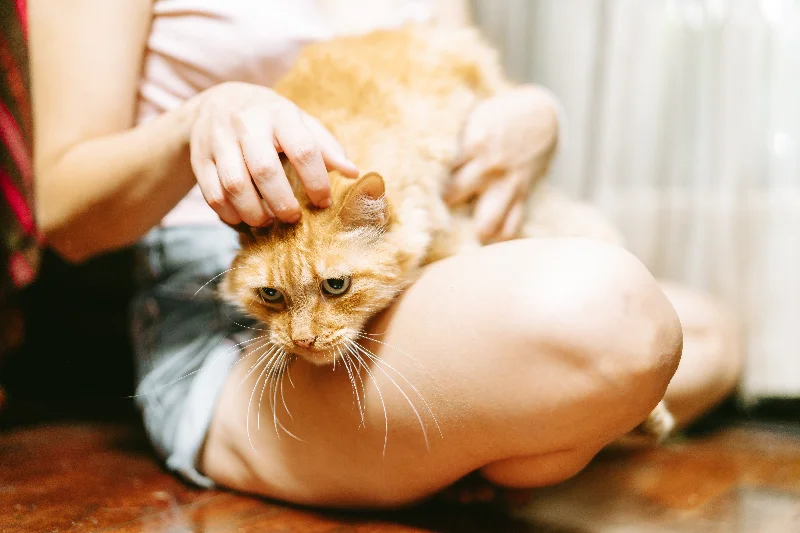
The timeline of deterioration is often predictable. In the early stages, the bladder begins to overfill and stretch. The abdomen can become firm and painful. Within 24 hours of a complete obstruction, waste products rise in the bloodstream, which leads to a decline in kidney function.
Without treatment, serious complications follow. Severe electrolyte imbalance, shock and acute kidney injury can develop. The bladder can also rupture under sustained pressure, although this is less common than the metabolic effects. If the obstruction is not relieved, death can occur within two to three days.
The heart is also not immune to the effects. As potassium levels in the blood increase, cats can experience hyperkalemia, one of the most immediate and life-threatening consequences of bladder obstruction. High potassium disrupts the heart’s normal electrical activity and can trigger dangerous arrhythmias, collapse or even cardiac arrest without prompt veterinary care.
It’s important to understand that an obstruction doesn’t settle or resolve on its own. It progresses. As time passes, it will become harder to correct the metabolic damage. For the best possible chance of recovery, a cat with a suspected blockage should be taken in for emergency veterinary care as soon as possible.
When cats present with urinary blockages at Nexus, stabilisation is step one. We offer pain relief early and perform blood tests to assess kidney function, electrolyte levels and especially potassium. If potassium is dangerously high or the cat is unstable, we’ll begin intravenous fluids and medications immediately to support the heart and circulation.
Next, we need to relieve the obstruction. In most cases, we place a urinary catheter while the cat is under sedation or general anaesthesia. This lets the trapped urine drain and takes the pressure off the bladder. We also flush the bladder to clear out debris, plugs or crystals that contributed to the blockage.
These feline patients typically remain hospitalised for monitoring of urine output, kidney values and electrolytes, with continued intravenous fluids to support the kidneys and flush any remaining waste products. If this ever happens to your cat, rest assured our team will keep you informed every step of the way, and we’ll explain everything from their status and the progress they’re making to the possibility of recurrence and any long-term management requirements.
Urinary obstruction is one of the most common feline emergencies that veterinarians see. Thankfully, it won’t happen to every cat, but when it does, it can escalate quickly, which is why it’s always considered a critical situation.
It’s normal to be unsure about what to do in emergency situations, and as mentioned, some of the earlier signs really are easy to miss, dismiss or mistake for something else. But if something doesn’t feel right, it doesn’t hurt to have your pet assessed.
At Nexus, we’re here 24/7 for Adelaide pet owners. If your cat is showing clear signs of illness, come straight in. If you’re unsure whether a visit is necessary, call our nurse chat service for guidance.
If your cat keeps going to the litter box but little or no urine comes out, that’s a warning sign. Pet owners should watch for straining, crying, licking the genital area, or signs of pain. These symptoms may indicate a urinary blockage and require urgent veterinary care.
Yes. If your cat cannot urinate, it is a medical emergency because toxins can quickly build up in the body. Without treatment, a blockage can become life-threatening within 24–48 hours.
The most common cause I see is a blockage in the urethra from crystals, mucus plugs, stones, or inflammation. This is often linked to feline lower urinary tract disease (FLUTD). Male cats are especially at risk because their urethra is narrower.
A cat that cannot urinate should be seen by a vet immediately. With a complete blockage, serious complications can develop within 24–48 hours. Waiting too long can lead to kidney failure or bladder rupture.
If this happens, we recommend contacting an emergency vet like Nexus right away. Do not try home remedies or press on your cat’s abdomen. Prompt veterinary treatment is the safest way to relieve a urinary blockage.
We provide extensive veterinary services to keep pets healthy and comfortable and offer unwavering support when difficult decisions and urgent care are needed.