




Copyright © 2026 Nexus Emergency Vet Hospital. Website by Specialist Vet Marketing
We provide extensive veterinary services to keep pets healthy and comfortable and offer unwavering support when difficult decisions and urgent care are needed.

311 Unley Rd
Malvern, Adelaide SA 5061

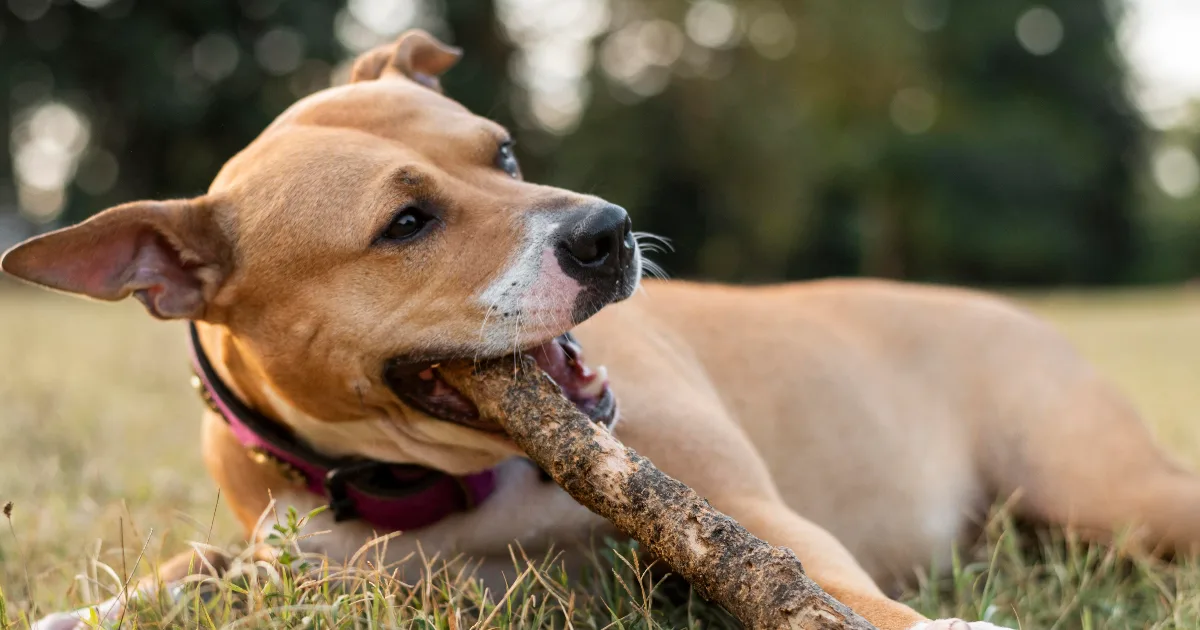
Picture this: it’s dinner time, and your pet has just vomited a few times. They’ve had a drink, they’re moving around, and they seem to be feeling better. It’s natural to assume it’s just an upset tummy and carry on with your evening. But what if your pet swallowed something they shouldn’t have? Foreign body obstructions often begin with subtle changes that may seem harmless at first. Knowing what to look out for can make all the difference in keeping your pet safe.
Cats and dogs are naturally curious, exploring the world with their paws and mouths. It’s part of what makes them so endearing, but it also means they sometimes chew or swallow things they shouldn’t. While some objects can pass through without harm, many can become stuck in the gastrointestinal tract and cause a blockage.
At Nexus Emergency Vet Hospital in Adelaide, we provide 24-hour emergency and urgent care for a wide range of illnesses and injuries, including foreign body obstructions. We understand how overwhelming emergencies can feel, so whenever possible, we welcome you to stay by your pet’s side during non-surgical treatment.
Cats are usually attracted to long, dangly items like:
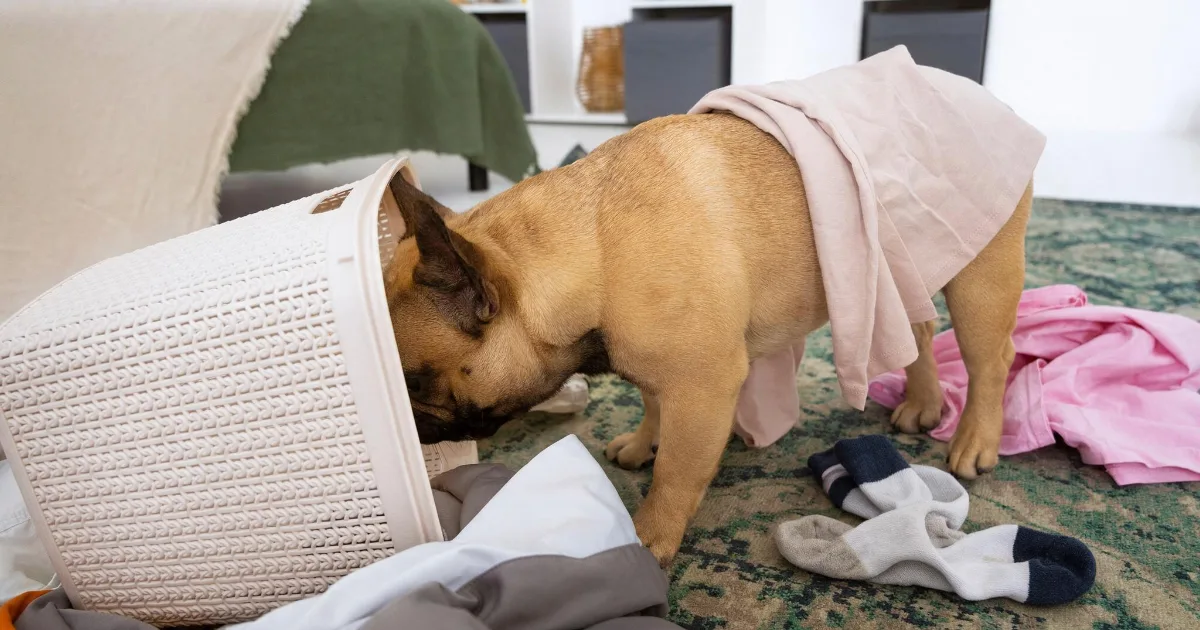
Dogs, however, can and may try to eat just about anything. Some of the most commonly swallowed items include:
While any obstruction is a cause for concern, long, thin items like string, yarn, or tinsel can be especially dangerous. It’s important that you seek care immediately if you notice a string that is still in the mouth that has been partly swallowed or a string that is protruding from the anus. This can cause the intestines to bunch up and may even lead to tears, which is very serious for your pet.
Foreign body obstructions can be tricky to spot early on. Symptoms often depend on what your pet has swallowed, where it is stuck, and how long it has been there. Early signs may include changes in your pet’s appetite or water intake. They may also seem quieter than usual or simply not quite themselves. It’s completely understandable to think your pet is simply being fussy with their food, not very thirsty, or just having a quiet day. These small changes are easy to miss, especially when you know your pet so well.
You might notice your pet licking their lips or drooling more than usual. These small changes can be easy to overlook, but they may be signs of nausea. Sometimes, pets will retch or vomit a few times, which is often mistaken for a simple tummy upset. If your pet seems restless, is hunched over, or keeps shifting around to get comfortable, this could be a sign of abdominal pain. You may notice they react when you pick them up. Changes in bowel movements are also important to watch for. Straining to go to the toilet can look like constipation, and diarrhoea can be mistaken for having eaten something that didn’t agree with them.
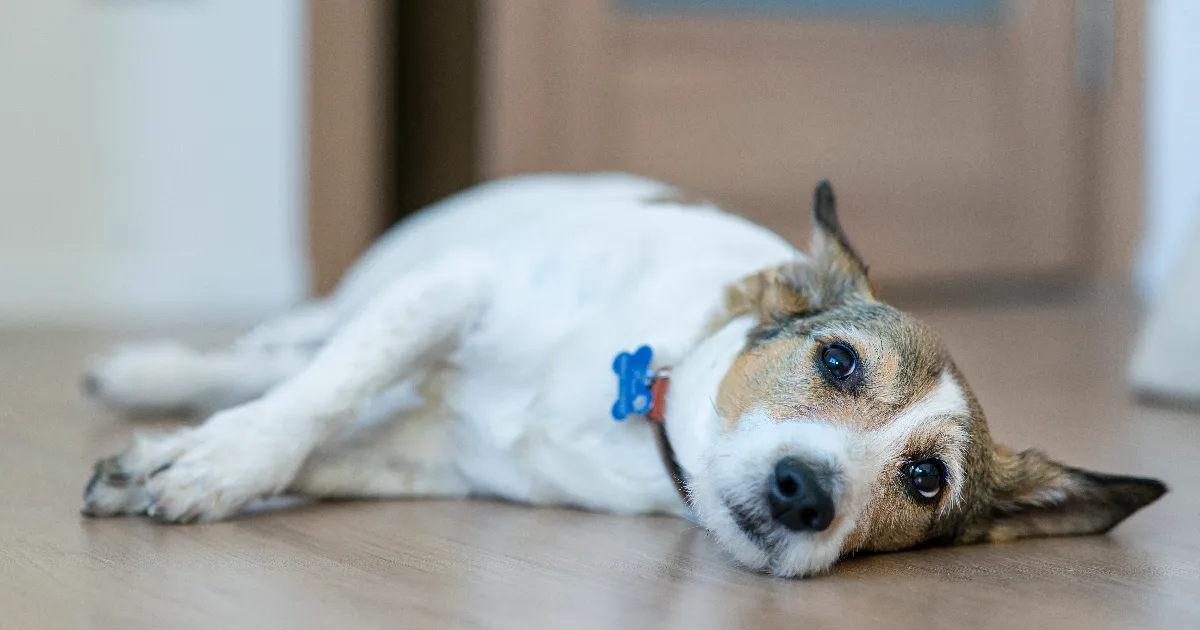
Not all symptoms appear at once, but as the obstruction progresses, your pet may become more lethargic and uncomfortable. If you know or suspect your pet has swallowed something like a corn cob, batteries, fish hooks, or a sharp object such as a bone, it’s important to seek veterinary care as soon as possible.
If your pet starts vomiting continuously, develops a swollen belly, stops passing stool, or has diarrhoea or bloody stool, these are signs that need urgent attention. Obstructions are serious and can quickly become life-threatening because they block the flow of food, water, and blood to vital tissues. Without treatment, severe complications like sepsis, shock, intestinal damage, and peritonitis can develop. Pets in shock may seem weak, collapse, have pale or grey gums, and breathe rapidly. If you notice any of these symptoms, please seek immediate veterinary care. We are here to help you and your pet through this.
If we suspect your pet has a foreign body obstruction after an examination, we’ll recommend tests such as X-rays or an ultrasound to help us confirm what’s going on. Blood tests are also helpful to rule out other illnesses and to check your pet’s hydration and electrolyte levels.
If we confirm there is an obstruction, we’ll talk you through your options and costs so you can make an informed decision about your pet’s care. The best approach depends on what your pet has swallowed and where it is located. Sometimes, we can use an endoscope, a small tube with a camera and light, to retrieve the object. In other cases, your pet may need surgery to remove the foreign body and check for any damage to the stomach or intestines.
How well your pet recovers depends on several factors, such as whether there was any damage, where the object was lodged, what it was, how long it was there, and your pet’s overall health before the incident. We are always here to answer your questions and guide you through your pet’s recovery.
Some pets just love to chew on things they shouldn’t, and it can be tough to stop them. The good news is that making your home a little safer can go a long way in protecting your furry family member. Here are some simple steps you can take to help reduce the risk:
It can be frightening if your pet swallows something they shouldn’t, but try to stay calm and seek help as soon as you can. If you notice any of these signs or are worried about your pet, please come straight in. At Nexus Emergency Vet Hospital, our team is here 24/7 to diagnose and treat foreign body obstructions, offering everything from diagnostic tests to emergency surgery. You can trust that your pet will be cared for with compassion and expertise. If you need advice or reassurance, our 24/7 nurse chat is always here to support you.
Unless you see your pet swallow a foreign object, it can be hard to know for sure whether they have swallowed something. Diagnostic testing, such as a radiograph or an ultrasound, will be able to confirm whether your pet has a foreign body obstruction. Signs to look out for are vomiting, diarrhoea, straining to defecate, a change in behaviour and appetite, lethargy, and seeming tense and painful in the abdomen.
Even with an obstruction, pets can still poop early on or even with a partial obstruction. It’s important not to rule out an obstruction even if your pet is still pooping.
Symptoms of an obstruction aren’t always immediate, and they don’t always appear at once. They can depend on what the object is, where in the body it’s located, and whether the obstruction is partial or complete.
Sometimes foreign objects will pass through the gastrointestinal tract without causing an obstruction or any damage. An obstruction will depend largely on the size, the shape and the material of the object. Some foreign objects still may be able to pass on their own, but it’s hard to assume they will pass safely.
Foreign body obstruction is an emergency and needs to be treated immediately. Socks can cause a complete obstruction that stops the flow of food, water, and blood, cutting off blood supply to tissues, which can lead to infection, tissue damage and shock.
We provide extensive veterinary services to keep pets healthy and comfortable and offer unwavering support when difficult decisions and urgent care are needed.