




Copyright © 2026 Nexus Emergency Vet Hospital. Website by Specialist Vet Marketing
We provide extensive veterinary services to keep pets healthy and comfortable and offer unwavering support when difficult decisions and urgent care are needed.

311 Unley Rd
Malvern, Adelaide SA 5061

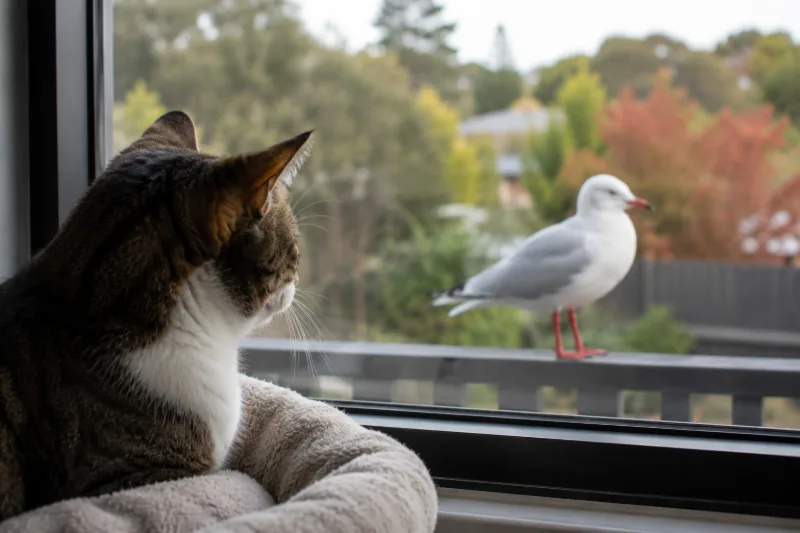
Bird flu is back in the headlines and has officially arrived in Australia, but most of the conversation has focused on poultry and wildlife rather than household pets. Following the recent confirmation of H5N1 in a small number of wild migratory seabirds, including one in South Australia, many families with dogs and cats are naturally wondering what this means for them. While the chances of exposure are low, the disease is often fatal if contracted, particularly in cats.
According to the Australian Veterinary Association, all confirmed detections in Australia to date have been in vagrant migratory seabirds. There is currently no evidence of spread to poultry or mass mortality events.
At Nexus Emergency Vet Hospital, our team is experienced in managing infectious diseases, and we’re open 24/7. Bird flu presents some unique challenges, so it’s important to understand how it spreads, how it can affect pets and when to seek veterinary attention. Here’s what Adelaide pet owners need to know.
Bird flu, also known as avian influenza, is a viral disease that primarily affects wild birds and domestic poultry. There are many different strains. The one you’ll have heard most about in the recent news is H5N1, which causes severe disease and high mortality in many bird species. While bird flu first emerged in the late 1990s, it has evolved over time, and the global outbreak we’re seeing today began in 2020. Until now, Australia had remained free of this strain.
When it comes to dogs and cats, yes, they can catch bird flu. It’s not particularly common, but under certain circumstances, it can happen. Most household pets are never exposed to the virus because it requires close contact with an infectious source. Casual contact isn’t enough.
So far, evidence suggests that cats are significantly more susceptible to bird flu than dogs and are also more likely to develop severe illness, including pneumonia, neurological signs and a higher mortality rate. Internationally, cases have been reported in domestic cats, large cats such as tigers and lions, and other felids. Confirmed infections in dogs are less common, and the severity of disease appears to be more variable.
Australian authorities identify the following as the main potential sources of exposure for household pets:
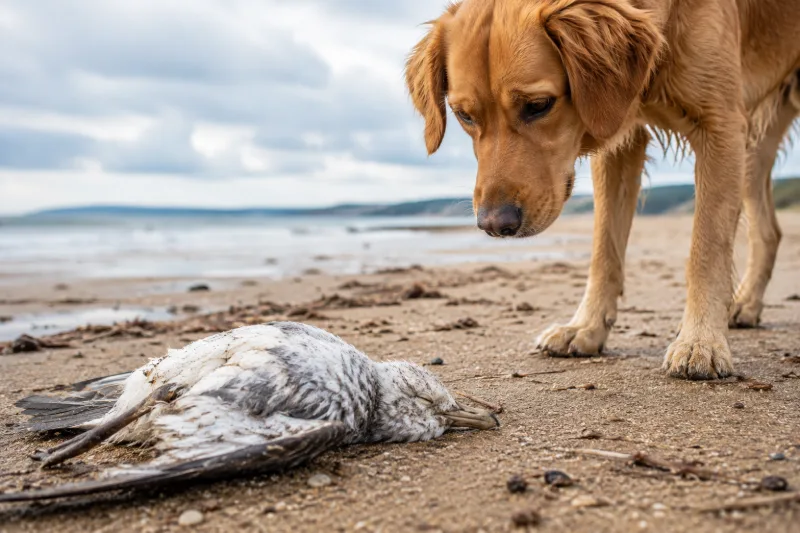
Clinical signs can vary depending on the species of the pet, the severity of the infection and which body systems are affected. It’s also important to note that none of these symptoms are exclusive to avian influenza and can occur with many other infectious diseases and medical conditions.
If your pet has had contact with a sick or dead bird, or any of the other risk factors we’ve discussed, be alert for the following signs and make sure you mention that exposure to your veterinarian:
We don’t expect the average pet owner to encounter bird flu, but it’s important to be aware of the sensible precautions recommended by authorities while the virus is present in Australia.
For example, if you come across a sick or dead bird, whether at home or while enjoying the outdoors, don’t touch it and don’t allow your pet to investigate it either. Keeping dogs on a lead in areas with abundant wildlife and preventing cats from roaming can significantly reduce the chance of contact.
If you notice several sick or dead birds or other wildlife in one location, report it to the Emergency Animal Disease Hotline on 1800 675 888.
When walking through areas where birds gather or visiting poultry properties, it’s a good idea to clean your footwear and clothing before returning home to help reduce the chance of spreading disease.
Finally, for those who keep backyard chickens or have other avian pets, preventing contact with wild birds, maintaining good hygiene around enclosures and watching for signs of illness are extremely important.
If you’re ever concerned about your own pet after a potential exposure, seek veterinary advice immediately.
It’s not time to panic. The risk to households remains low, but information and awareness are our best tools for preventing exposure and helping protect both animals and people.
If your pet develops concerning signs, particularly after known contact with birds, or you’re worried about their condition for any reason, Nexus is here around the clock to help. You can also chat with one of our emergency nurses through our website for advice.
Confirmed detections in Australia have so far been in a small number of wild migratory seabirds, including one in South Australia. According to the Australian Veterinary Association, there is currently no evidence of spread to poultry or mass mortality events.
Yes, dogs and cats can catch bird flu, although it is not particularly common. Cats appear to be more susceptible than dogs and are more likely to develop severe illness if infected.
Yes, pets may be exposed through direct contact with sick or dead wild birds. This can include hunting, scavenging, sniffing, mouthing or eating infected birds.
Symptoms can include lethargy, loss of appetite, fever, coughing, sneezing, nasal discharge, laboured breathing and neurological signs such as tremors, seizures or disorientation. These signs can also occur with many other illnesses.
Seek emergency vet advice if your pet develops concerning signs after contact with a sick or dead bird. Respiratory problems, neurological signs or sudden deterioration should be assessed promptly.
We provide extensive veterinary services to keep pets healthy and comfortable and offer unwavering support when difficult decisions and urgent care are needed.